
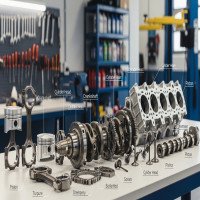
Choosing the right engine parts for your vehicle can feel overwhelming, especially with countless brands, compatibility concerns, and pricing options available online. Whether you’re maintaining a daily driver or restoring an older car, selecting the correct engine components is essential for performance, fuel efficiency, and long-term reliability.
This comprehensive guide will walk you through how to choose the right engine parts with confidence, even if you’re not a mechanical expert.
Why Choosing the Right Engine Parts Matters
Your vehicle’s engine is a complex system where every component works in harmony.Installing the wrong or substandard parts may result in:
-
Reduced engine performance
-
Poor fuel efficiency
-
Increased wear and tear
-
Costly repairs down the line
For drivers in Ireland, where weather conditions and road environments can vary, ensuring durability and compatibility is even more critical.
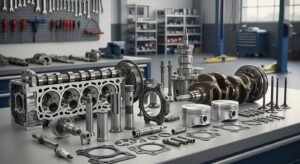
Step 1: Understand Your Vehicle’s Exact Requirements
Before buying any engine components, gather the following details:
-
Vehicle make and model
-
Year of manufacture
-
Engine size and type
-
VIN (Vehicle Identification Number)
These specifications ensure you purchase compatible engine parts that match your vehicle’s design and performance requirements.
Pro Tip: Even small mismatches can cause installation issues or engine malfunction.
Step 2: Decide Between OEM and Aftermarket Parts
One of the most important decisions when selecting engine parts is choosing between OEM (Original Equipment Manufacturer) and aftermarket components.
OEM Right Engine Parts
-
Manufactured to match factory specifications
-
Higher reliability and guaranteed fit
-
Usually more expensive
Aftermarket Engine Parts
-
Often more affordable
-
Wider variety of options
-
Quality varies depending on manufacturer
For newer vehicles, OEM parts are often the safest choice. However, for older cars, high-quality aftermarket parts can offer excellent value without compromising performance.
Step 3: Check Material Quality and Durability of Right Engine Parts
Not all engine parts are built equally. Look for:
-
Heat-resistant materials
-
Corrosion protection
-
Precision engineering standards
High-quality materials ensure longer lifespan and better resistance to engine stress, especially for vehicles used frequently or in long-distance travel.
Step 4: Verify Compatibility and Certifications
Always confirm that the engine part:
-
Matches your engine model
-
Meets automotive safety standards
-
Comes with quality certification or warranty
This step reduces the risk of purchasing counterfeit or poorly manufactured components that can harm your engine.
Step 5: Buy from Reliable Right Auto Parts Suppliers
When purchasing engine components in Ireland, prioritize trusted suppliers that provide:
-
Detailed product specifications
-
Return and warranty policies
-
Customer support and fitment guidance
Reliable suppliers often provide compatibility tools to help match parts with your exact vehicle model, reducing the chances of errors.
Step 6: Consider Your Driving Needs and Conditions
Different drivers require different engine components depending on usage:
-
City driving: Focus on fuel efficiency and smoother performance
-
Long motorway travel: Prioritize durability and heat resistance
-
Older vehicles: Choose replacement parts designed for longevity
Matching engine parts to driving habits ensures optimal engine efficiency and fewer breakdowns.
Step 7: Look for Warning Signs Before Replacing Parts
Understanding when to replace engine components helps avoid unnecessary expenses. Common warning signs include:
-
Reduced acceleration
-
Unusual engine noise
-
Increased fuel consumption
-
Engine overheating
If you notice these issues, inspect critical parts like spark plugs, filters, belts, and sensors before larger components fail.

Step 8: Balance Price vs Long-Term Value
Many car owners make the mistake of choosing the cheapest engine parts available. While budget matters, the cheapest option often results in frequent replacements and higher maintenance costs.
Instead, focus on:
-
Proven reliability
-
Warranty coverage
-
Long-term performance value
Investing slightly more upfront often saves money and prevents major engine damage later.
Expert Checklist: Choosing the Right Engine Parts
Use this quick checklist before making a purchase:
-
Confirm vehicle specifications
-
Compare OEM and aftermarket options
-
Verify compatibility with engine model
-
Check material quality and durability
-
Buy from reputable suppliers
-
Evaluate warranty and support availability
This process ensures you select engine parts that improve performance rather than compromise it.
Why Trust This Advice?
This guide is based on industry best practices used by professional mechanics and auto parts specialists. The recommendations prioritize safety, compatibility, and long-term engine health—three factors consistently emphasized in automotive maintenance standards. By focusing on practical steps and real-world decision-making, this content is designed to help both beginners and experienced drivers make informed choices.
Frequently Asked Question
1. How can I determine which engine components are compatible with my vehicle?
. Verify your car’s make, model, manufacturing year, and engine specifications before selecting parts.
. Using the VIN number also ensures precise compatibility.
2. Are aftermarket engine parts reliable?
Yes, high-quality aftermarket parts can be reliable if sourced from reputable suppliers and matched correctly to your engine.
3. Should I always choose OEM right engine parts ?
OEM parts are ideal for guaranteed fit and performance, but premium aftermarket options can offer similar reliability at a lower cost.
4. What are the most commonly replaced engine parts?
Spark plugs, air filters, timing belts, sensors, and gaskets are among the most frequently replaced components.
5. How often should Right engine parts be replaced?
Replacement intervals depend on driving conditions, mileage, and manufacturer recommendations, but regular inspections help prevent sudden failures.
Final Thoughts For Right Engine Parts
. Selecting suitable engine components for your vehicle can be simple when you follow the right approach.
. By understanding your vehicle specifications, comparing OEM and aftermarket options, and prioritizing quality over price, you can ensure better performance, improved fuel efficiency, and longer engine life.
For car owners in Ireland, sourcing durable, compatible engine components from reliable suppliers is the key to maintaining a smooth and dependable driving experience. With the right approach and a clear checklist, selecting engine parts becomes a smart investment rather than a confusing task.